
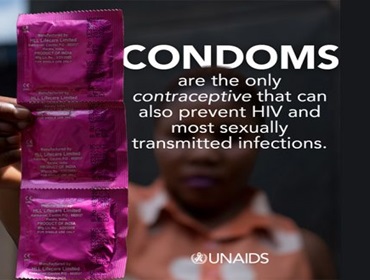
UNAIDS urges countries to invest in HIV prevention as key to ending AIDS.
Stories & Blogs UNAIDS (Press Statement )On International Condom Day, UNAIDS and partners are calling for HIV prevention efforts to be stepped up.
Whilst the end of AIDS is within our grasp, this decade, currently the world is off track. Globally, of the 39.9 million people living with HIV, 9.3 million, nearly a quarter, are not receiving life-saving treatment. As a consequence, a person dies from A
Stories & Blogs UNAIDS (Press Release )Whilst the end of AIDS is within our grasp, this decade, currently the world is off track. Globally, of the 39.9 million people living with HIV, 9.3 million, nearly a quarter, are not receiving life-saving treatment. As a consequence, a person dies from A
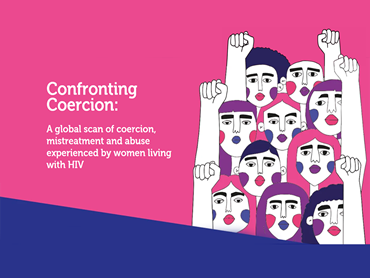
Women living with HIV continue to face violations of their sexual and reproductive rights—including coercion into sterilization
Stories & Blogs UNAIDS (Story )Women living with HIV including women from key populations continue to suffer widespread reproductive coercion, mistreatment, and neglect.
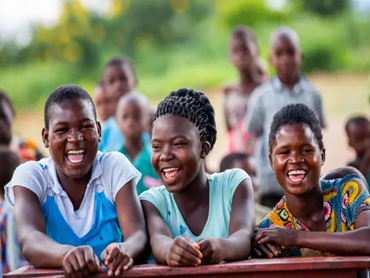
Supporting the Education and Health of Young Mothers in Africa.
Stories & Blogs UNESCO (Article )Joint statement by Etleva Kadilli, UNICEF Regional Director, Eastern and Southern Africa, Nisha, UNESCO Regional Director for Southern Africa, and Alexandros K Makarigakis, UNESCO Regional Director for East Africa.
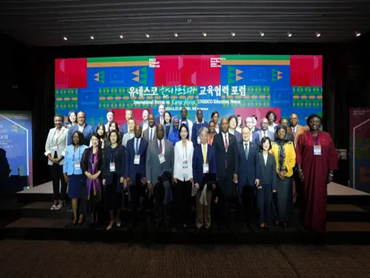
UNESCO Forum enhances Korea-Africa educational collaboration.
Stories & Blogs UNESCO (Article )The Korean Ministry of Education, in collaboration with the Korean Commission for UNESCO, organized the UNESCO-Africa Education Cooperation Forum from Tuesday, 25 June to Thursday, 27 June 2024 at the Glad Hotel in Seoul, Republic of Korea.
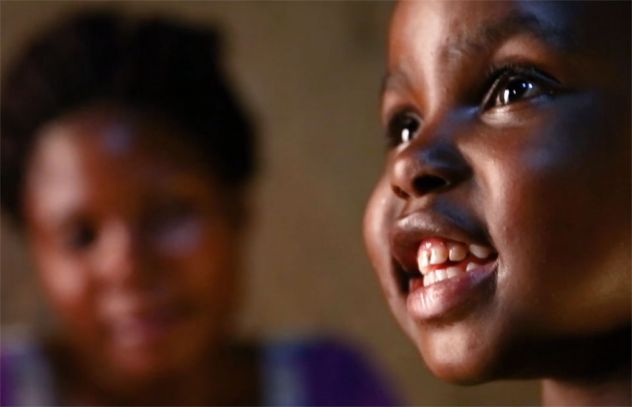
UNAIDS urges sub-Saharan African countries and global partners to ensure children living with HIV are on life-saving treatment and to stop new infections
Stories & Blogs UNAIDS (Press Release )The latest data show that only 56% of children living with HIV were on life-saving antiretroviral therapy in 2022 in sub-Saharan Africa compared to 83% of adults globally.